Education vs Employability: Is Ghana’s Education System Preparing Young People for the Jobs That Actually Exist?
Written by Regina Bless
For many young Ghanaians, education has long been presented as the pathway to a better future. From primary school to university, students are encouraged to study hard, obtain good grades and earn certificates that will eventually open the doors to employment.
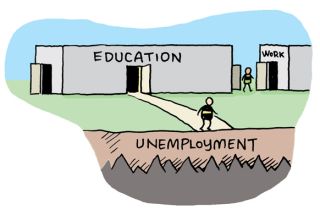
But after years of schooling, many graduates are discovering that having a certificate does not necessarily guarantee a job.
This raises an important question: Is Ghana’s education system adequately preparing young people for the jobs that actually exist?
From certificates to the workplace
Every year, universities and other tertiary institutions produce thousands of graduates in various fields. Yet many of them struggle to secure jobs related to what they studied.
Some graduates spend months or even years searching for employment, while others accept jobs outside their areas of study simply to survive.
A graduate may leave university with a degree but lack practical experience, digital skills, communication abilities or other competencies employers expect. This can create a frustrating gap between what students learn in the classroom and what they are required to do in the workplace.
What employers are looking for
Employers today are increasingly interested in more than academic qualifications.
Depending on the industry, companies may look for people who can communicate effectively, solve problems, work with technology, analyse information, work in teams and adapt to changing circumstances.
This means that students may need to combine academic education with practical skills and experience.
Internships, apprenticeships, volunteering, professional certifications and entrepreneurship can help young people develop skills that are difficult to acquire from textbooks alone.
Are universities teaching for the job market?

The debate does not necessarily mean that universities are failing. Higher education serves a broader purpose than simply producing workers. It develops critical thinking, knowledge and professional expertise.
However, there is a growing need to examine whether some programmes are evolving quickly enough to reflect changes in the labour market.
Technology, artificial intelligence, digital marketing, cybersecurity, renewable energy, data analysis and other emerging areas are creating new opportunities. At the same time, traditional jobs are changing as businesses adopt new technologies.
Students therefore need exposure to both academic knowledge and practical skills that can help them remain competitive.
The graduate’s dilemma
For many graduates, the challenge is not a lack of willingness to work. It is the limited number of opportunities available compared with the number of people seeking employment.
Some graduates eventually turn to trading, small businesses, ride-hailing, freelancing, content creation or other forms of self-employment.

While entrepreneurship can be a positive alternative, it should not become the only option for graduates who have spent years preparing for professional careers.
What do students think?
University students themselves have an important role in this conversation.
Many students now recognise the need to develop skills outside the classroom. Some take online courses, learn digital skills, pursue professional certifications or gain work experience while studying.
However, not every student has equal access to these opportunities. Financial limitations, inadequate career guidance and limited internship opportunities can make it difficult for some young people to acquire additional skills.
What employers and educators can do
Bridging the gap between education and employment requires cooperation between universities, government, employers and students.
Educational institutions can strengthen practical training, career counselling and partnerships with industries. Employers can provide more internship and entry-level opportunities that allow graduates to gain workplace experience.
Government and policymakers can also support sectors with the potential to create sustainable jobs while encouraging technical and vocational education.
Students, meanwhile, must recognise that a certificate is increasingly only one part of the employment equation. Building communication, digital, entrepreneurial and problem-solving skills can significantly improve their chances.
Beyond the certificate
The goal should not be to make education solely about getting a job. Education should prepare young people to think, create, innovate and contribute to society.
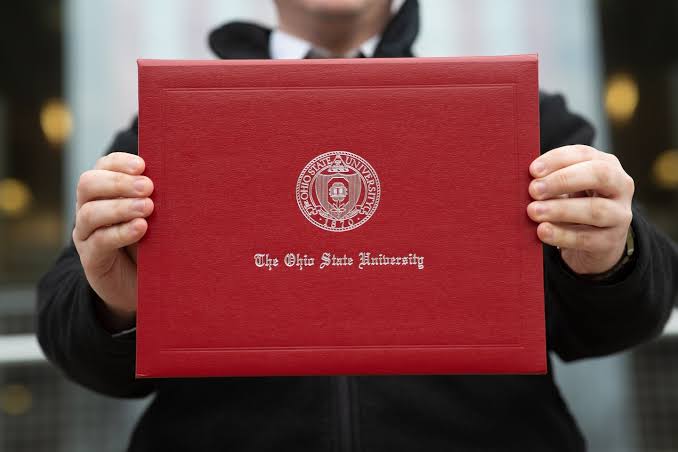
But if thousands of young people leave school with certificates and still feel unprepared for the workplace, the conversation cannot be ignored.
Ghana must ask itself whether the skills being taught today match the opportunities and challenges of tomorrow.
Ultimately, the question is not whether certificates are valuable. They are.
The bigger question is whether Ghanaian education is giving young people the knowledge, practical skills and adaptability they need to turn those certificates into meaningful opportunities.