Ghana’s Waste Problem: Who Is Really Responsible?
Written by Regina Bless
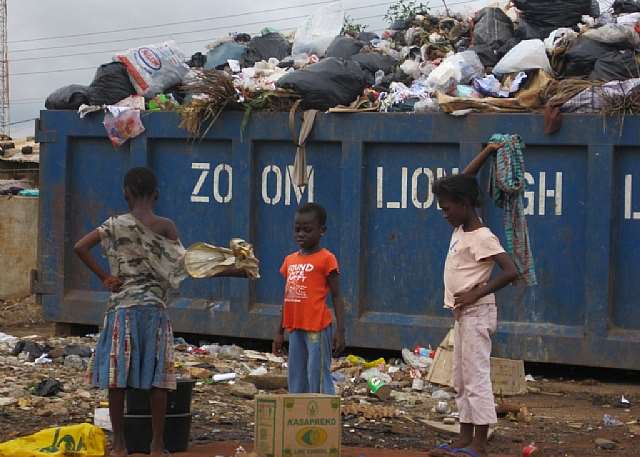
Ghana’s waste problem has become a growing concern, with plastic waste, overflowing bins, open dumping and choked drains visible in many communities.
Whenever the issue of sanitation is discussed, residents are often blamed for littering. While individuals have a responsibility to dispose of waste properly, the bigger question is: Who is really responsible for Ghana’s waste problem?
Is it only the public?
Some residents continue to throw rubbish onto streets, into gutters and in unauthorised places. Plastic bottles, food containers and other waste are often left behind after use.
However, poor waste disposal is not only a matter of individual behaviour. In some communities, there are inadequate waste collection points, irregular collection services and limited access to proper disposal facilities.
When bins overflow for days, residents may have little choice but to look for alternative ways to dispose of their waste.
The role of authorities
Metropolitan, municipal and district assemblies have an important responsibility in maintaining sanitation within their jurisdictions. Effective waste management requires regular collection, proper disposal facilities, enforcement of sanitation laws and public education.
Authorities must therefore ensure that waste management systems are efficient and accessible, while also taking action against individuals and businesses that deliberately dump waste in unauthorised places.
Businesses must also take responsibility
Businesses contribute significantly to the amount of waste generated, particularly through plastic packaging, food containers and other disposable materials.
There is a need for businesses to become more involved in responsible waste management by reducing unnecessary packaging, supporting recycling initiatives and encouraging customers to dispose of waste properly.
What about us?
Ultimately, Ghana’s waste problem cannot be solved by government alone.
Residents must stop treating gutters, drains and open spaces as dumping grounds. Businesses must reduce waste and support responsible disposal, while authorities must provide effective systems and enforce existing regulations.
The solution requires shared responsibility.
Ghana cannot achieve a clean environment if citizens blame government, government blames residents, and businesses remain on the sidelines.
The real question, therefore, may not be “Who is responsible?”
It may be: “What are we each doing to solve the problem?”
A cleaner Ghana will require more than campaigns and promises. It will require a change in behaviour, stronger systems and a collective commitment to keeping our communities clean.