Hypertension: The Silent Health Threat Ghanaians Should Not Ignore
BY; Regina Bless
Hypertension, commonly known as high blood pressure, is one of the major health conditions affecting people around the world. It occurs when the force of blood against the walls of the arteries remains consistently too high. Although it can affect anyone, many people live with the condition without knowing they have it.
This is why hypertension is often called a “silent killer.” A person may feel perfectly healthy while high blood pressure is gradually damaging vital organs.
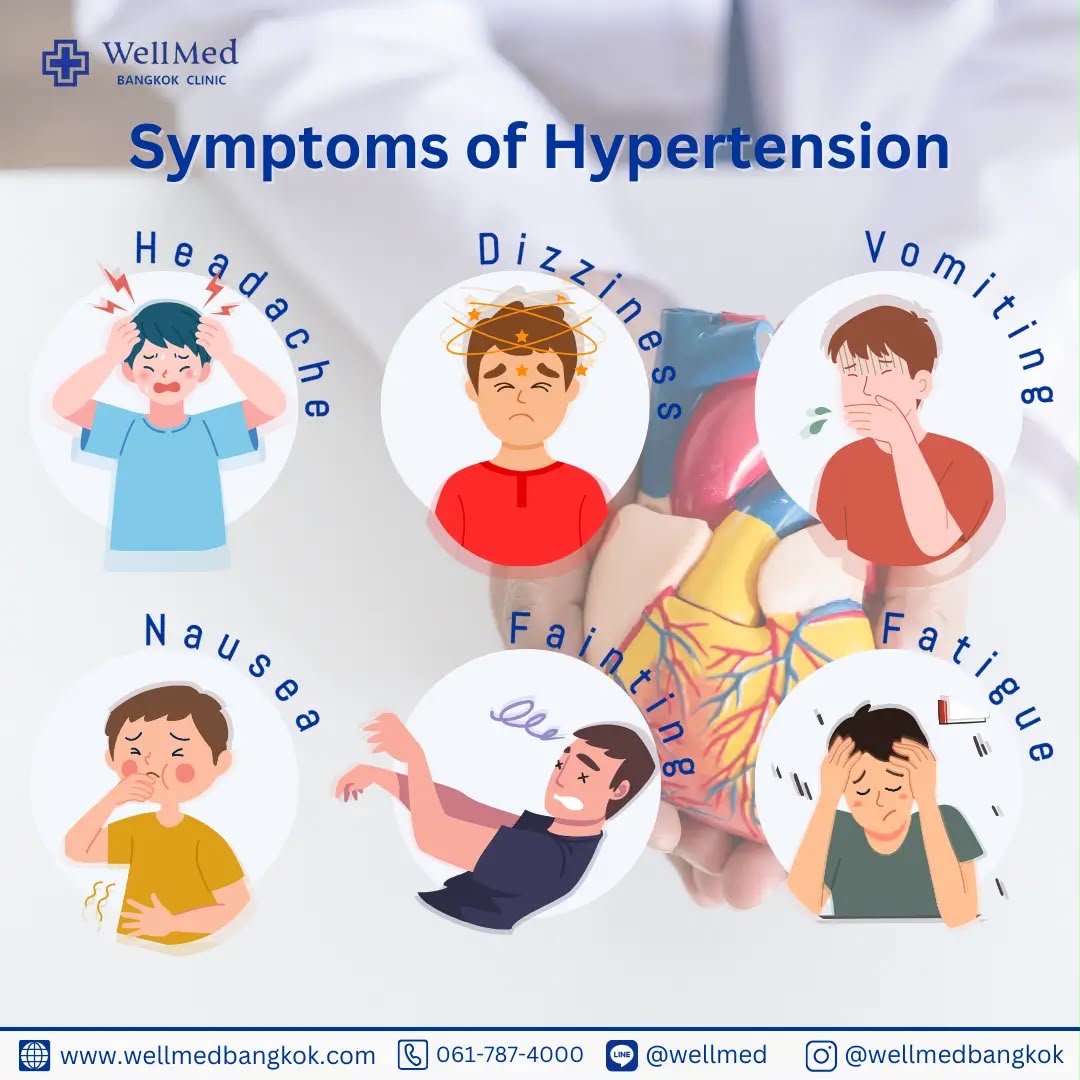
One of the biggest challenges is that hypertension often has no obvious symptoms, especially in its early stages. Some people may experience headaches, dizziness, blurred vision, chest discomfort or shortness of breath, but these symptoms can also be caused by other conditions. The only reliable way to know whether someone has high blood pressure is to have it checked.
Several factors can increase the risk of developing hypertension. These include excessive salt consumption, being overweight, physical inactivity, smoking, excessive alcohol consumption, stress and having a family history of high blood pressure. Age can also increase the risk.
For many people, lifestyle choices play an important role in prevention and management. Eating more fruits and vegetables, reducing salt intake, exercising regularly, maintaining a healthy weight, avoiding tobacco and limiting alcohol can help reduce the risk. People who have been diagnosed with hypertension should also take prescribed medication as directed and attend regular medical check-ups.
The consequences of uncontrolled hypertension can be serious. Over time, it can increase the risk of heart disease, stroke, kidney damage, vision problems and other complications. What makes the situation particularly concerning is that some people only discover they have high blood pressure after experiencing a serious health emergency.
There is therefore a need for greater public awareness about regular health screening. People should not wait until they feel sick before checking their blood pressure. Community health education, workplaces, churches, schools and health facilities can all play a role in encouraging people to know their numbers.
Hypertension is manageable, and early detection can make a significant difference. A simple blood-pressure check can provide important information about a person’s health and encourage timely action.
Ultimately, preventing hypertension is not only the responsibility of health professionals. Individuals must also take their health seriously by making healthier choices and seeking medical attention when necessary. Knowing your blood pressure today could help protect your heart, brain and kidneys tomorrow.