Supreme Court Rejects Injunction Against Legal Vacation Trials
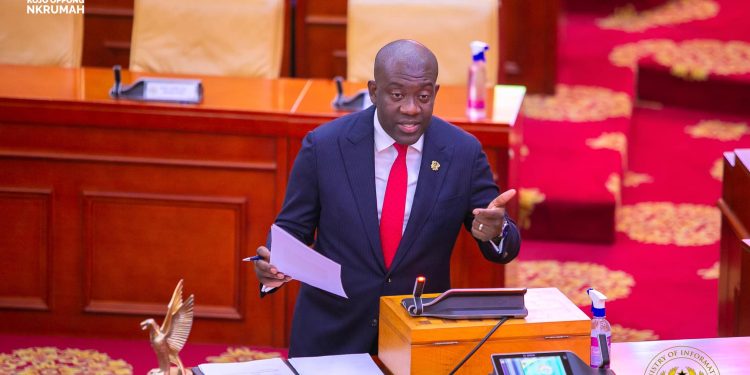
The Supreme Court has dismissed an injunction application by Ofoase-Ayirebi MP Kojo Oppong Nkrumah, seeking to halt proceedings pending the determination of his constitutional challenge to warrants issued by the Chief Justice for selected High Court judges to hear criminal cases during the legal vacation.
Presiding over the case, Justice Gabriel Scott Pwamang ruled that the applicant had not demonstrated a sufficiently strong case to justify restraining the Chief Justice from exercising his constitutional and administrative powers.
The Court also rejected Oppong Nkrumah’s argument that the assignment of criminal cases during the legal vacation amounted to discrimination under Article 17 of the Constitution. It noted that there was no evidence that the Chief Justice had directed that the law be applied differently based on any constitutionally prohibited grounds.
The Court further upheld the Attorney-General’s representation of the Chief Justice, relying on the earlier Republic v Tsatsu Tsikata decision, which established that the Chief Justice, as a public official, may be represented by the Attorney-General in proceedings against him.
According to the Court, the warrants clearly authorised the affected judges to hear cases pending before their respective courts. It added that allowing criminal matters to proceed during the legal vacation was part of efforts to ensure cases are determined expeditiously.
Justice Pwamang consequently dismissed the injunction application. However, Oppong Nkrumah’s substantive case challenging the constitutionality of the Chief Justice’s warrants remains pending and will be determined separately.